Loading updates…
← Toutes les mises à jour de Aftership
Aftership · 2026
Ce que Aftership a publié en 2026
323 mises à jour · 2026
Suivre Aftership gratuitement323 mises à jour suivies
En 2026, Aftership a publié 323 mises à jour suivies. Soit environ 32 par mois sur 10 mois actifs. Le mois le plus actif a été juin 2026 (117). Le thème dominant : content pieces (117). À retenir : « Supply Chain Visibility Software: A TCO & ROI Guide for 2026 » (23 sept. 2026).
Répartition des signaux : 2026
117
content pieces
42
feature updates
29
new integrations
21
product launches
15
pricing updates
14
case studies
14
events
4
partnerships
Activité sur 2026
Top mises à jour de 2026
octobre 2026
- Featureaftership.com
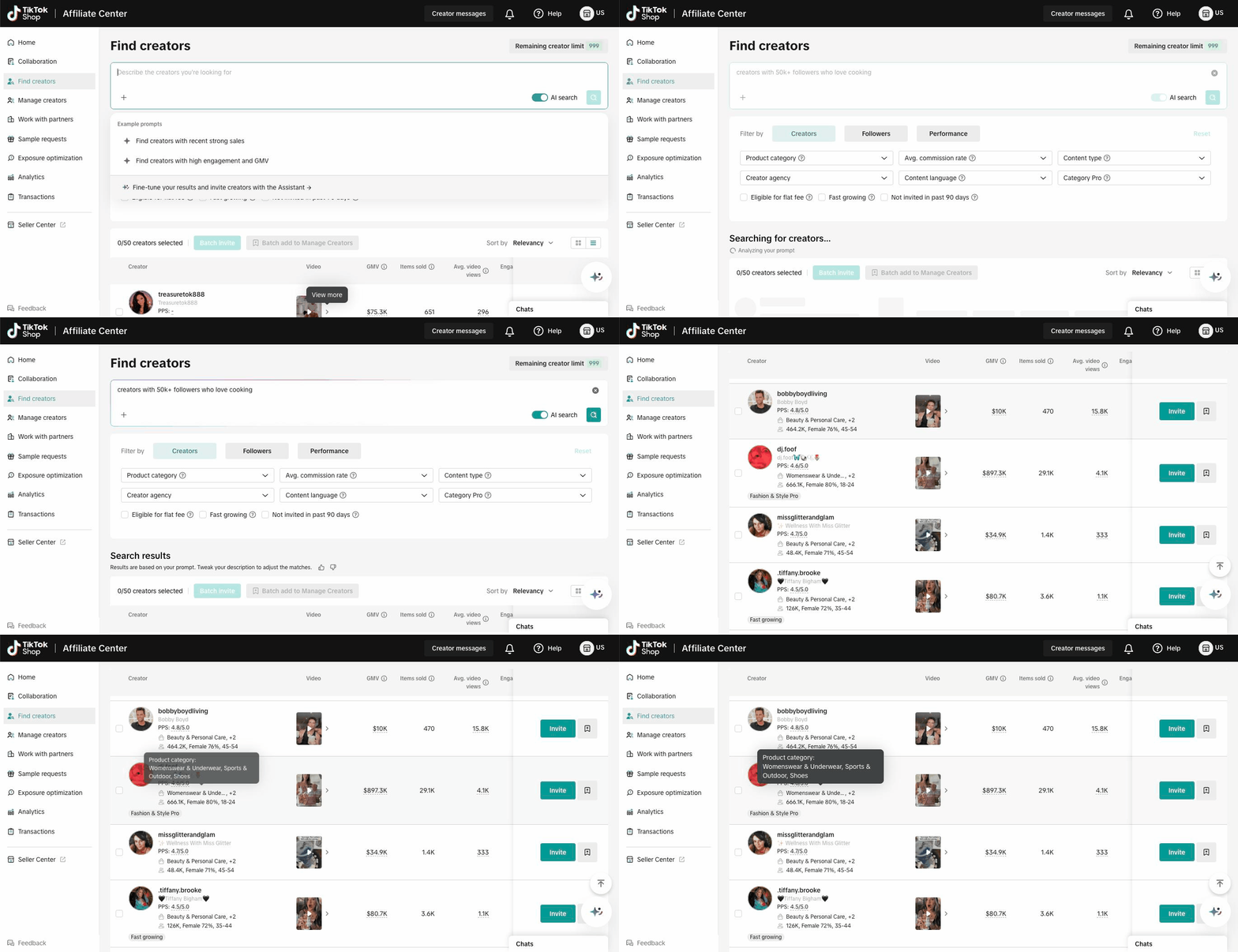
TikTok Shop Affiliate Center vs. AfterShip Affiliates: We Ran the Same 3 Creator Searches
AfterShip’s Affiliates tool found 5x more cooking creators, 2.6x more fitness moms, and 24 teachers in head-to-head searches against TikTok Shop’s Affiliate Center. The gap stems from AfterShip’s pers…
septembre 2026
- Contentaftership.com
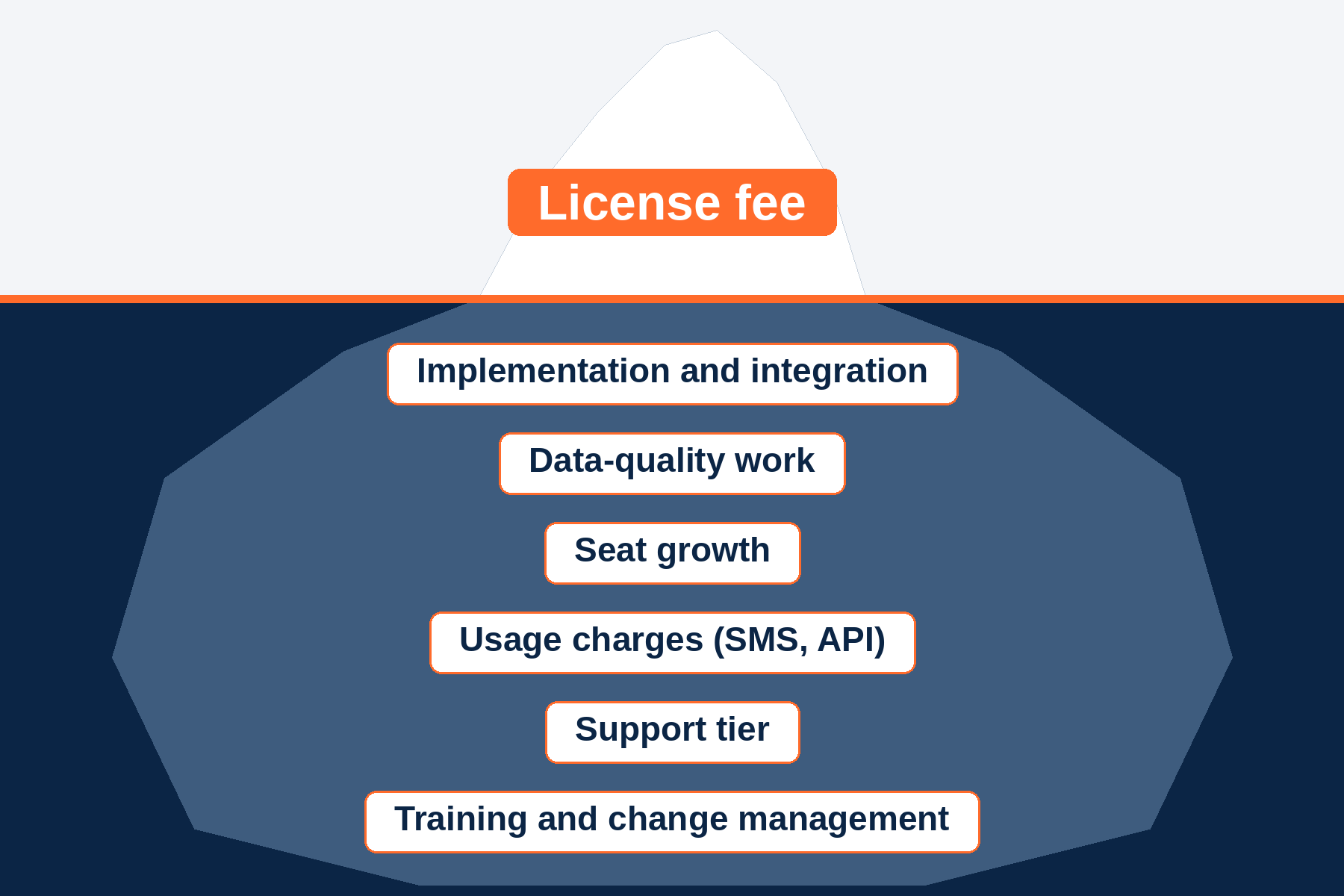
Supply Chain Visibility Software: A TCO & ROI Guide for 2026
AfterShip released a detailed guide outlining a TCO/ROI framework for supply chain visibility software, emphasizing transparent pricing and cost modeling. The post contrasts AfterShip’s published, shi…
- Featureaftership.com
Stamps.com vs Shippo: The Verdict for New eCommerce Sellers in 2026
AfterShip introduces a free post-purchase toolkit for new sellers, combining AfterShip Shipping (free labels with USPS discounts) and AfterShip Tracking (branded tracking pages with logo integration) …

- aftership.com
5 Best ShipTheory Alternatives for UK & EU eCommerce Brands
AfterShip is highlighted as the leading ShipTheory alternative in a 2026 guide for UK and EU eCommerce brands, praised for unifying shipping, tracking, and returns on a single data layer. The guide em…

- Contentaftership.com
Which Tracking API is Best? The Developer's Guide for 2026
AfterShip published a 2026 developer guide benchmarking its Tracking API against EasyPost and Shippo, emphasizing uptime (100% monthly), webhook retry depth (14 attempts), and carrier normalization (1…

- Featureaftership.com
Tired of the UPS Tracking Page? Here Are Better Alternatives
AfterShip introduced a branded tracking page feature that replaces UPS's default tracking page with a customizable, carrier-agnostic experience. The update includes plain-language status updates, AI-p…

- aftership.com
Shippo vs ShipHero: The Verdict for DTC Shipping Operations in 2026
AfterShip’s blog argues that Shippo (shipping software) and ShipHero (WMS) are point solutions that stop at label creation, leaving post-purchase gaps in tracking, notifications, and returns. AfterShi…

- Contentaftership.com
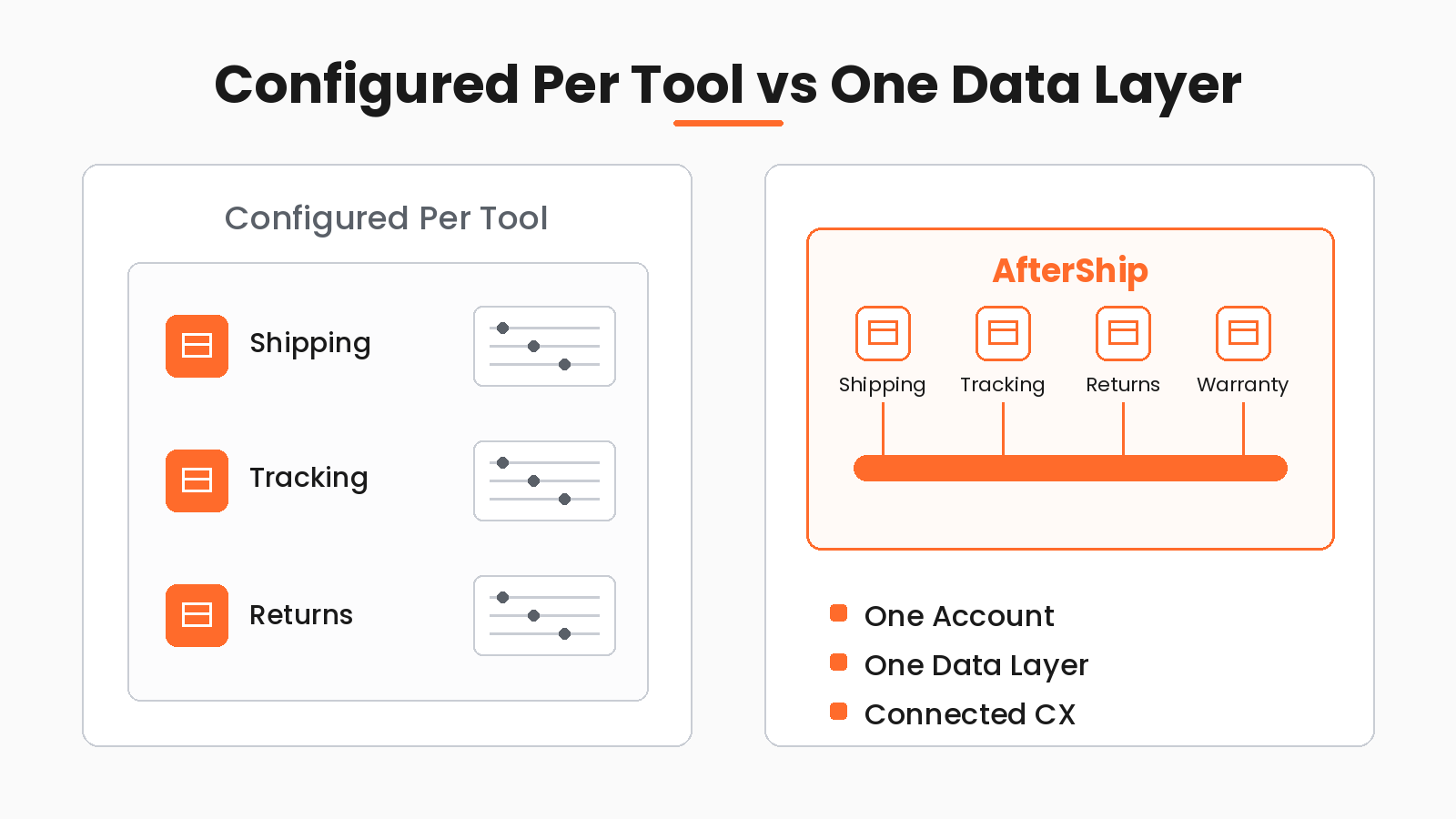
ShipStation vs Shippo: Which Is Best for Shopify Sellers?
AfterShip’s blog argues that Shopify sellers should prioritize a unified post-purchase data layer over standalone shipping tools like ShipStation or Shippo. It highlights AfterShip’s Smart Carrier Rec…
- Contentaftership.com
Shippo vs Stamps.com: The 2026 Verdict for Growing Brands
AfterShip’s blog post contrasts its multi-carrier shipping platform with Shippo and Stamps.com, highlighting AfterShip’s unified approach to label printing, tracking, returns, and warranty management.…

- Featureaftership.com
Shippo Lacks WMS? A Guide for Brands Needing Inventory Control
AfterShip introduces deeper WMS integration and automation features to address gaps in inventory control for brands using Shippo. The update emphasizes AfterShip Shipping's API, pre-built integrations…

- Featureaftership.com
Shippo's Reporting Isn't Enough. See AfterShip's Analytics
AfterShip introduced advanced analytics in AfterShip Tracking to answer strategic shipping questions Shippo’s reporting cannot, such as carrier performance benchmarking, root cause analysis for delive…

- Featureaftership.com
Comparing Shipping Tracking APIs: The Dev's Verdict
AfterShip’s Tracking API now offers 9 statuses with 52 sub-statuses, supports 1,700+ carriers, provides up to 14 webhook delivery attempts, and maintains a 99.9% uptime SLA. The post positions these i…
- Featureaftership.com
The Best ShippingEasy Alternative for Growing Shopify Brands in 2026
AfterShip Shipping now re-evaluates each shipment’s carrier selection using live rates and lane-level delivery data, unlike ShippingEasy which relies on static rules. The update also enhances AfterShi…
- Featureaftership.com
Shipping Protection Plans: A Price & Coverage Comparison
AfterShip’s blog post compares shipping protection plans, emphasizing its merchant-centric model where claims are filed on AfterShip’s branded tracking page and reimbursement flows to the merchant. Th…

- Launchaftership.com
Shippo Can't Keep Up? The Verdict for High-Volume Sellers
AfterShip launched AfterShip Shipping to address scalability gaps in Shippo for high-volume sellers, offering enterprise-grade APIs, advanced automation, multichannel support, and Smart Carrier Recomm…

- Contentaftership.com
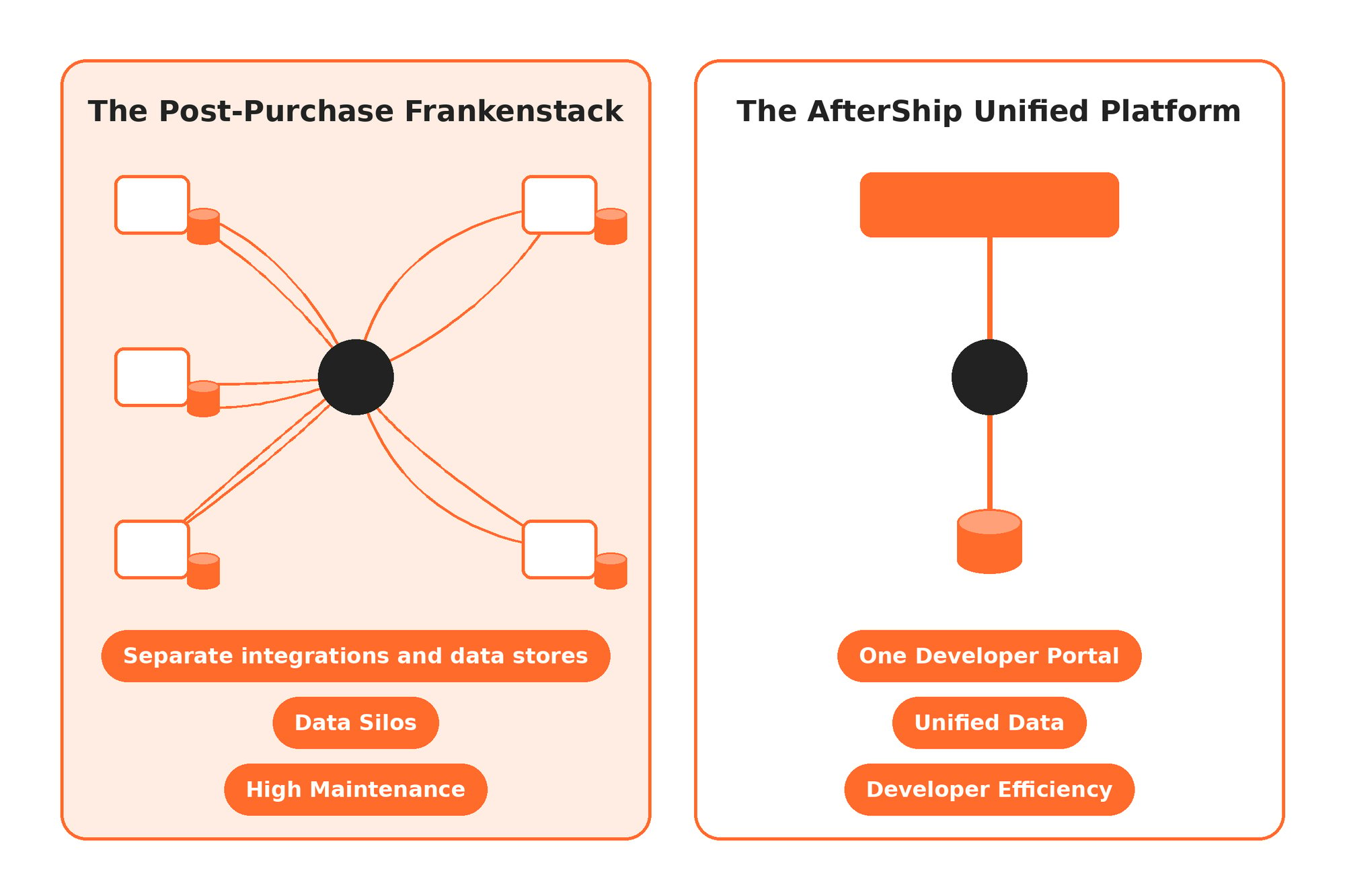
Shippo vs EasyPost API: A Developer's Verdict for 2026
AfterShip’s blog post argues that maintaining separate post-purchase integrations (labels, tracking, returns, warranty) with Shippo or EasyPost leads to higher TCO due to fragmented authentication, we…
- aftership.com
Shippo vs ShipHero vs AfterShip: The 2026 Verdict for DTC Brands
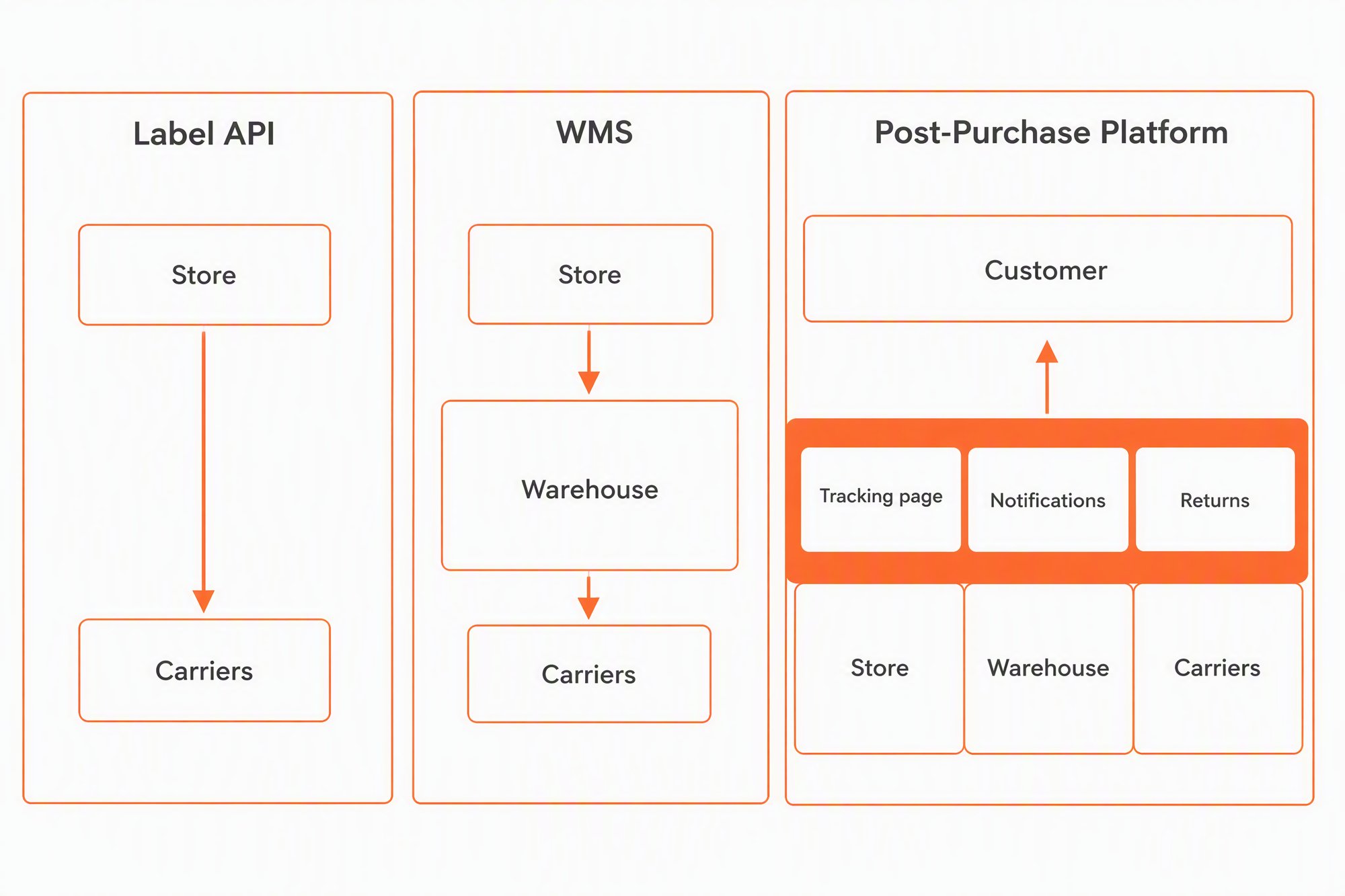
AfterShip argues that its post-purchase platform—covering tracking, notifications, and returns—outperforms Shippo’s label-focused API and ShipHero’s WMS for scaling DTC brands. It highlights AfterShip…
- Featureaftership.com
Need Better Rates? Why AfterShip Beats Shippo on Carriers
AfterShip introduced Smart Carrier Recommendation in AfterShip Shipping, which automatically selects the optimal carrier service per shipment based on reliability, delivery time, and cost. The feature…

- Featureaftership.com
Shipping exceptions, handled: how AfterShip Agent resolves delivery problems before customers feel them
AfterShip introduced an AI exception handling agent that investigates flagged shipments, drafts resolutions, and groups related exceptions into single tasks for human approval. The agent uses AfterShi…

- Contentaftership.com
The 5 steps of an effective shipping exception management workflow
AfterShip published a guide outlining a five-step workflow for managing shipping exceptions—identify, understand, decide, act, and resolve—highlighting the operational burden of manual exception handl…

20 premières affichées. Cliquez un mois ci-dessus pour l'archive complète de Aftership.
Suivez Aftership en pilote automatique
- · Brief IA hebdomadaire : résumé narratif de ce qui a été livré, chaque lundi 9 h
- · Alertes par e-mail ou Slack, ou discutez avec l'archive depuis votre tableau de bord
- · Ajoutez Aftership + jusqu'à 2 autres concurrents gratuitement, sans carte bancaire